
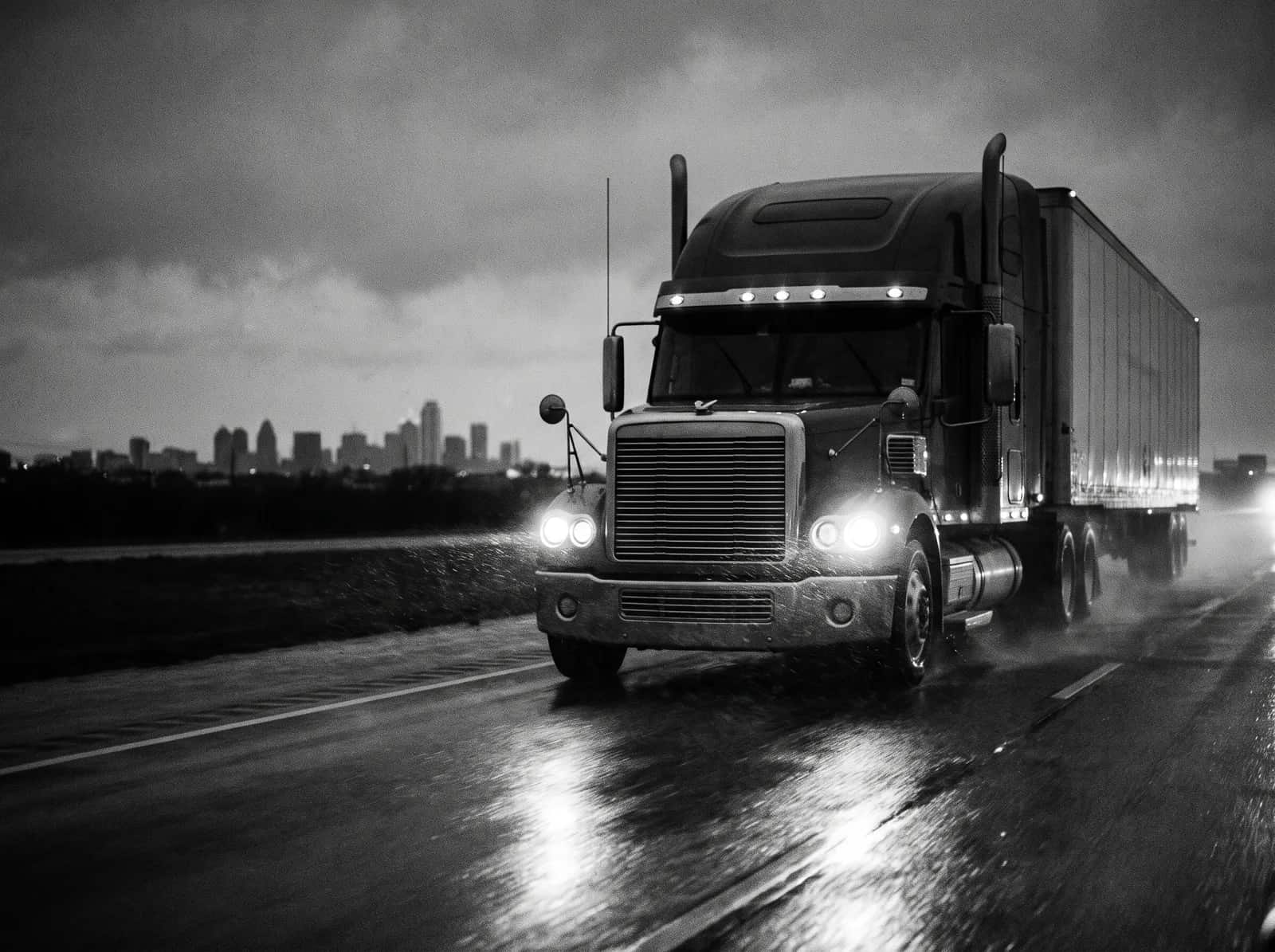

In San Antonio, a person hurt in a truck accident caused by someone else can recover medical costs, lost income, and pain under Texas law. Owsley Law Firm handles San Antonio truck accidents from its Houston offices, comes to you, and charges no fee unless it wins. Call before you speak with any insurer.
Truck Accidents in San Antonio
Where do San Antonio truck accidents happen?
I-35 through San Antonio carries a large share of U.S.-Mexico truck freight, and I-10 and I-37 add coastal and West Texas loads. Truck cases here frequently involve Laredo-based carriers and Mexican-domiciled trailers.
San Antonio truck cases involve the border. I-35 through the city carries a large share of U.S.-Mexico freight from Laredo, and the carriers are often Laredo-based with Mexican-domiciled trailers and layered insurance. I-10 brings West Texas and Houston freight through the Northwest Side interchange with Loop 410, and I-37 carries Corpus Christi refinery traffic into downtown. The firm’s San Antonio truck cases most often begin on I-35 between downtown and the 410 north interchange, or on Loop 410 South near the freight yards.
Corridors where San Antonio truck accidents cluster
- I-10 and Loop 410 interchange on the Northwest Side
- Loop 1604 at US-281 and the Stone Oak corridor
- I-35 between downtown and the Loop 410 north interchange
- I-37 and I-10 downtown interchange
- Culebra Road and Bandera Road on the West Side
- Loop 410 South at US-90 and Military Drive
Cases from San Antonio
What does a San Antonio truck accident case look like?
An 18-wheeler on I-35 near Loop 410 jackknifes on a wet morning and takes out four cars; the carrier is based in Laredo and its insurer disputes everything.
A commuter on Loop 1604 is struck in a construction-zone lane shift at Stone Oak; the concussion is dismissed by the adjuster as a headache.
Why are San Antonio truck crashes different from car crashes?
Because the trucking company is a second defendant with its own rules, records, and insurance. Federal safety regulations, the carrier's hiring and maintenance files, and the truck's electronic data often decide the case.
A tractor-trailer can weigh up to 80,000 pounds without a special permit, and the injuries it causes are usually far more serious than a car-on-car crash. The legal claim is bigger too. Beyond the driver, the motor carrier, the trailer owner, the shipper or loader, a maintenance shop, or a broker may share responsibility depending on what went wrong.
San Antonio sits on the I-35 freight corridor between Laredo and Dallas, with I-10 and I-37 adding West Texas, Houston, and coastal loads. That means many of the trucks involved in Bexar County crashes belong to out-of-town carriers, and some are Laredo-based operations hauling cross-border freight. Finding the right company and its insurer is the first job.
Who can be held responsible for an 18-wheeler crash on I-35 or Loop 410?
Often more than one party: the driver, the motor carrier whose operating authority the truck runs under, the owner of the trailer, the company that loaded the cargo, and anyone who maintained the brakes or tires.
The carrier is usually the main target because it is responsible for its driver's conduct on the job and because it carries the largest policy. Federal rules require for-hire interstate carriers of general freight to carry at least $750,000 in financial responsibility under 49 CFR 387.9, and more for oil and certain hazardous materials.
Direct claims against the company for negligent hiring or poor maintenance can also matter. Texas now lets a commercial vehicle defendant split the trial into phases under Chapter 72 of the Civil Practice and Remedies Code, which affects how and when evidence about the company's own conduct is heard, so the case has to be built with that in mind from the start.
- The driver, for speeding, fatigue, distraction, or impairment
- The motor carrier, for the driver's negligence on the job and for its own hiring, training, and supervision
- The trailer owner or lessor, for defective equipment it controlled
- The shipper or loader, for overloaded or unsecured cargo
- A repair shop or manufacturer, for brake, tire, or parts failures
What evidence disappears first after a San Antonio truck crash?
The truck's electronic data and the carrier's records. Federal rules only require carriers to keep hours-of-service records for six months, and engine and dash camera data can be overwritten far sooner, so a preservation letter should go out immediately.
Modern trucks record speed, braking, and engine data, and most carry electronic logging devices that track hours of service under 49 CFR Part 395. Many also have forward-facing and driver-facing cameras. That data is in the carrier's control, not yours, and it can be lost to routine overwriting if no one demands it in writing.
The firm sends preservation letters to the carrier, its insurer, and anyone else holding evidence: the engine control module data, the logbook and supporting documents, dispatch and GPS records, dash camera video, the driver qualification file required by Part 391, and the inspection and maintenance records required by Part 396. When a carrier destroys evidence after it should have preserved it, Texas courts can respond with remedies at trial.
- Engine control module and electronic logging data
- Forward and driver-facing camera video
- Bills of lading, dispatch, and GPS records
- Driver qualification file and drug and alcohol testing records (Part 382)
- Inspection, repair, and maintenance records
What if the truck belonged to a Laredo carrier or a Mexican-domiciled company?
The claim still runs through Texas law and U.S. insurance. A carrier operating on Texas highways must be registered, with federal regulators for interstate or cross-border hauling or with the Texas Department of Motor Vehicles for trips within Texas, and must carry the required insurance, and the firm identifies that insurer, the trailer owner, and any drayage company involved.
Cross-border freight often changes hands near the border, with one company pulling a trailer owned by another under a third company's authority. The USDOT number on the tractor door, the trailer plates, and the bill of lading are the keys to sorting out who was responsible for what.
If you can, photograph the truck's door, the trailer, and the plates at the scene. If you could not, the crash report and a post-crash inspection, when one was done, usually identify the carrier, and the firm takes it from there.
How do federal trucking rules help prove fault?
They set the standard of care. A driver over the hours-of-service limits, a truck with out-of-adjustment brakes, or an unqualified driver is evidence that the crash was preventable.
Property-carrying drivers may drive up to 11 hours after 10 consecutive hours off duty, within a 14-hour window, and weekly limits apply. A Laredo-to-Dallas run pushed to meet a schedule can run a driver past those limits, and the logging data proves it when it is preserved.
Federal rules also require pre-trip inspections, periodic maintenance, drug and alcohol testing, and driver qualification checks. When a carrier skipped them, that failure supports both the claim against the company and, in the right case, exemplary damages for gross negligence, which Texas caps under Chapter 41.
Where should you get treated after a truck crash in San Antonio?
For serious injuries, University Hospital and Brooke Army Medical Center are both Level I trauma centers. Truck crash injuries often show up late, so get examined the same day even if you feel able to walk away.
Spinal injuries, brain injuries, and internal injuries are common in truck crashes, and their symptoms can take hours or days to appear. A same-day exam creates the record the claim depends on and can catch an injury that needs immediate care.
If you were treated at a hospital within 72 hours of the crash, including in the emergency room, that hospital may file a lien on your claim under Property Code chapter 55. The lien is paid from the settlement, but the statute limits it, and the firm verifies and negotiates liens before any money is distributed.

Should you talk to the trucking company's insurer?
Not without counsel. Trucking companies and their insurers often start investigating within hours, and anything you say in a recorded statement can be used to shift blame onto you.
Report the crash to your own insurer with the basic facts, and refer everyone else to your lawyer. The carrier's adjuster may sound helpful and may even offer quick money for your car, but a release signed early can end the injury claim before anyone knows how serious it is.
Texas uses proportionate responsibility, so the carrier will look for any way to assign part of the blame to you: a lane change, braking, speed. At 51 percent the claim is barred, and every point below that reduces the recovery, which is why the evidence work in the first weeks matters so much.
Where is a San Antonio truck case filed?
Usually in the Bexar County Civil District Courts at 100 Dolorosa, though many truck cases end up in the U.S. District Court for the Western District of Texas, San Antonio Division, because the carrier is from another state.
Federal court is common in truck cases because interstate carriers are often citizens of other states and the damages exceed $75,000. The defense may remove a case filed in state court, and the firm plans for either forum. Texas law decides fault and damages in both.
The deadline to file suit is generally two years from the crash under Civil Practice and Remedies Code section 16.003. A crash involving a government vehicle or contractor can carry much shorter notice requirements, so do not wait.
What damages can you recover after a truck crash, and are there caps?
Texas allows recovery of medical expenses, lost earnings and earning capacity, physical pain, mental anguish, physical impairment, and disfigurement. Compensatory damages in a truck case against a private carrier are not capped; exemplary damages are.
Medical expenses are limited to the amounts actually paid or incurred by or for you, so the billing records and any adjustments matter. In serious truck cases the largest items are often future medical care and lost earning capacity, which need proof from treating doctors, life care planners, and economists rather than estimates.
Exemplary damages, sometimes called punitive damages, require clear and convincing evidence of gross negligence, malice, or fraud, and Chapter 41 of the Civil Practice and Remedies Code caps them in most cases. In a trucking case they usually turn on what the carrier knew, such as a driver with a known record of violations kept on the road, and whether its dispatch practices pushed drivers past the safety rules.
What if a family member was killed in a truck crash?
The surviving spouse, children, and parents can bring a wrongful death claim, and the estate can bring a separate survival claim for what the person suffered before death. The wrongful death deadline is generally two years from the date of death, and the survival claim generally runs from the crash, extended by up to 12 months after the death under Civil Practice and Remedies Code section 16.062.
Texas wrongful death claims are governed by Chapter 71 of the Civil Practice and Remedies Code. The claim belongs to the spouse, children, and parents, and the damages are theirs: lost financial support, lost companionship and care, and mental anguish. The survival claim under section 71.021 is brought by the estate and covers the person's own pain, medical bills, and funeral expenses.
Truck carriers and their insurers often contact grieving families quickly. Do not sign anything or give a recorded statement before talking with a lawyer, and keep every record you receive, including the crash report, the medical examiner's report, and any letters from insurers.
How does the firm handle San Antonio truck cases from Houston?
The firm works truck cases across Texas from its Houston offices, meets San Antonio clients by appointment at 9901 I.H. 10 West, Suite 800, and travels for inspections, depositions, and court.
Truck cases are won with records and experts, and that work does not depend on where the office is. The team answers calls 24/7, sends preservation letters quickly, and coordinates inspections of the truck and the scene.
There is no fee unless the firm wins your case. Clients may be responsible for case expenses, such as court costs, as set out in the written fee agreement.
The records that decide a San Antonio truck case
| Record | Who holds it | Why it matters |
|---|---|---|
| Electronic logging device data | Motor carrier | Shows hours of service and possible fatigue |
| Engine control module data | Carrier or truck owner | Speed and braking before impact |
| Dash camera video | Carrier or camera vendor | What the driver saw and did |
| Driver qualification file | Motor carrier | License, history, and training |
| Maintenance and inspection records | Carrier or repair shop | Brake and tire condition |
| Bill of lading and dispatch | Carrier, shipper, or broker | Who loaded the cargo and the schedule |
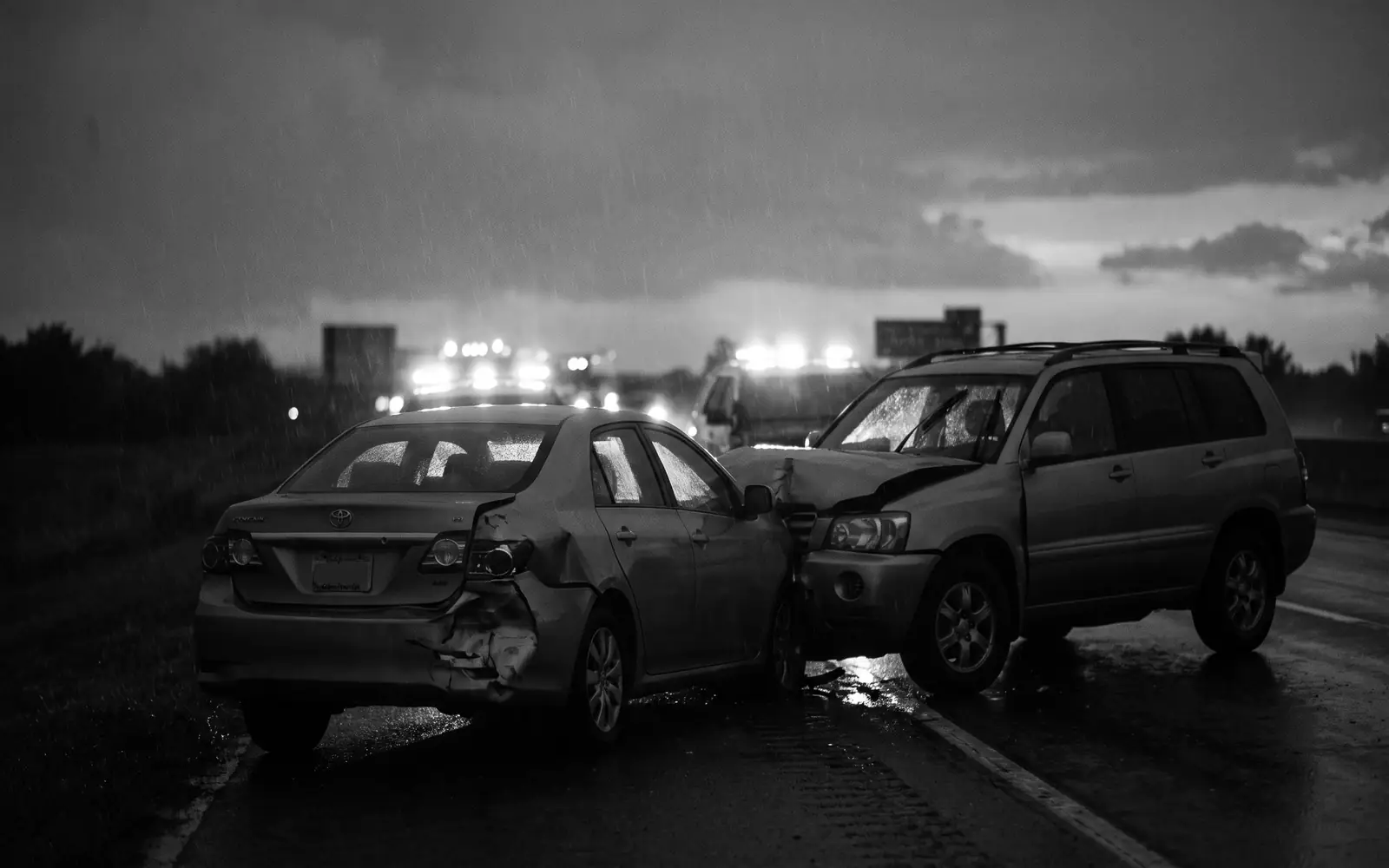
What to do now
What should you do after a truck accident in San Antonio?
- Get examined the same day. Truck crashes cause injuries that surface late, and University Hospital (Level I trauma) and Brooke Army Medical Center (Level I trauma) take the serious ones from San Antonio.
- Photograph the truck's USDOT number, the company name on the door, the trailer, and the plates. On I-10 the rig is often towed within the hour.
- Move fast on the carrier's records. The truck's electronic logging data, dashcam video, and engine data sit with the trucking company, and federal rules only require hours-of-service records to be kept for six months, so a preservation letter should go out early.
- Get the San Antonio crash report. San Antonio Police Department and Bexar County Sheriff reports are available through the TxDOT Crash Report Online Purchase System, usually within 10 days. The firm obtains it for clients at no charge.
- Do not give a statement to the trucking company's investigator or its insurer. They often start working the crash within hours; your own insurer only needs the basic facts.
- Know where the case goes. San Antonio truck accidents suits are filed in the Bexar County Civil District Courts, Bexar County Courthouse, 100 Dolorosa, or Bexar County Courts at Law depending on the crash location.
- Call the firm. San Antonio clients are handled from Houston by phone, video, and mail, and the firm travels to San Antonio for meetings, depositions, and court. The consultation is free.
San Antonio truck accidents we handle
Specific San Antonio truck accident cases
Go deeper
More on truck accident claims in San Antonio and Texas.
Common questions
San Antonio truck accident questions
Which San Antonio roads have the most truck accidents?
I-35, I-10, Loop 410, and I-37, with I-35 north of downtown and the I-10 and 410 interchange leading the count.
What if the truck was a Mexican carrier?
Mexican carriers operating in Texas must carry U.S. insurance and register with federal regulators. The firm identifies the U.S. insurer, the trailer owner, and any drayage company and pursues each.
Do federal hours-of-service rules apply to trucks on I-35 between San Antonio and Laredo?
Yes, for interstate carriers. Federal rules limit driving to 11 hours after 10 hours off duty, and electronic logging devices record it. Trucks that stay within Texas follow the state’s own hours-of-service rules, which are looser, allowing up to 12 hours of driving after 8 hours off. A driver pushing a Laredo freight run on schedule may be over hours, and the logging data proves it if it is preserved before the carrier’s retention period runs out.
What if a dump truck from a quarry north of San Antonio caused my crash?
Dump and aggregate trucks are commercial vehicles that must follow Texas safety rules on loads, brakes, and driver qualifications. Spilled gravel, an overloaded bed, or worn brakes can each support a claim against the operator. Many of these trucks run for local contractors, so the claim may involve both the trucking company and the contractor that hired it.
How much insurance does an 18-wheeler carry?
For-hire interstate carriers of general freight must carry at least $750,000 in financial responsibility under 49 CFR 387.9, with higher minimums for oil and certain hazardous materials. Many carriers carry more.
How long does a trucking company keep its driver logs?
Federal rules require carriers to keep hours-of-service records and supporting documents for six months, which is why a preservation letter should go out right away.
Can I sue the trucking company and the driver?
Usually yes. The carrier is responsible for its driver's negligence on the job, and it can also be liable for its own negligent hiring, training, or maintenance.
What if the truck driver says I cut him off on Loop 410?
Then the evidence decides it: the truck's camera and engine data, other dash cameras, witnesses, and the damage pattern. Preserving that evidence early is what protects you from a blame-shifting story.
Do I need to come to Houston for a San Antonio truck case?
No. The firm meets clients by appointment in San Antonio, handles most work by phone and video, and travels for depositions, inspections, and court.
How long do I have to file a truck accident lawsuit in Texas?
Generally two years from the crash. Claims involving government vehicles or entities can require written notice within six months or less, so contact a lawyer early.
Sources
Sources this page relies on
- 49 C.F.R. § 387.9 (carrier insurance minimums)
- Tex. Civ. Prac. & Rem. Code ch. 72, subch. B
- 49 C.F.R. Part 395 (hours of service)
- 49 C.F.R. Part 391 (driver qualification)
- 49 C.F.R. Part 396 (inspection and maintenance)
- Tex. Civ. Prac. & Rem. Code ch. 41
- Tex. Prop. Code ch. 55
- Tex. Civ. Prac. & Rem. Code § 16.003
- Tex. Civ. Prac. & Rem. Code § 16.062
- Tex. Civ. Prac. & Rem. Code ch. 71
- Tex. Civ. Prac. & Rem. Code § 71.021
- TxDOT Crash Report Online Purchase System