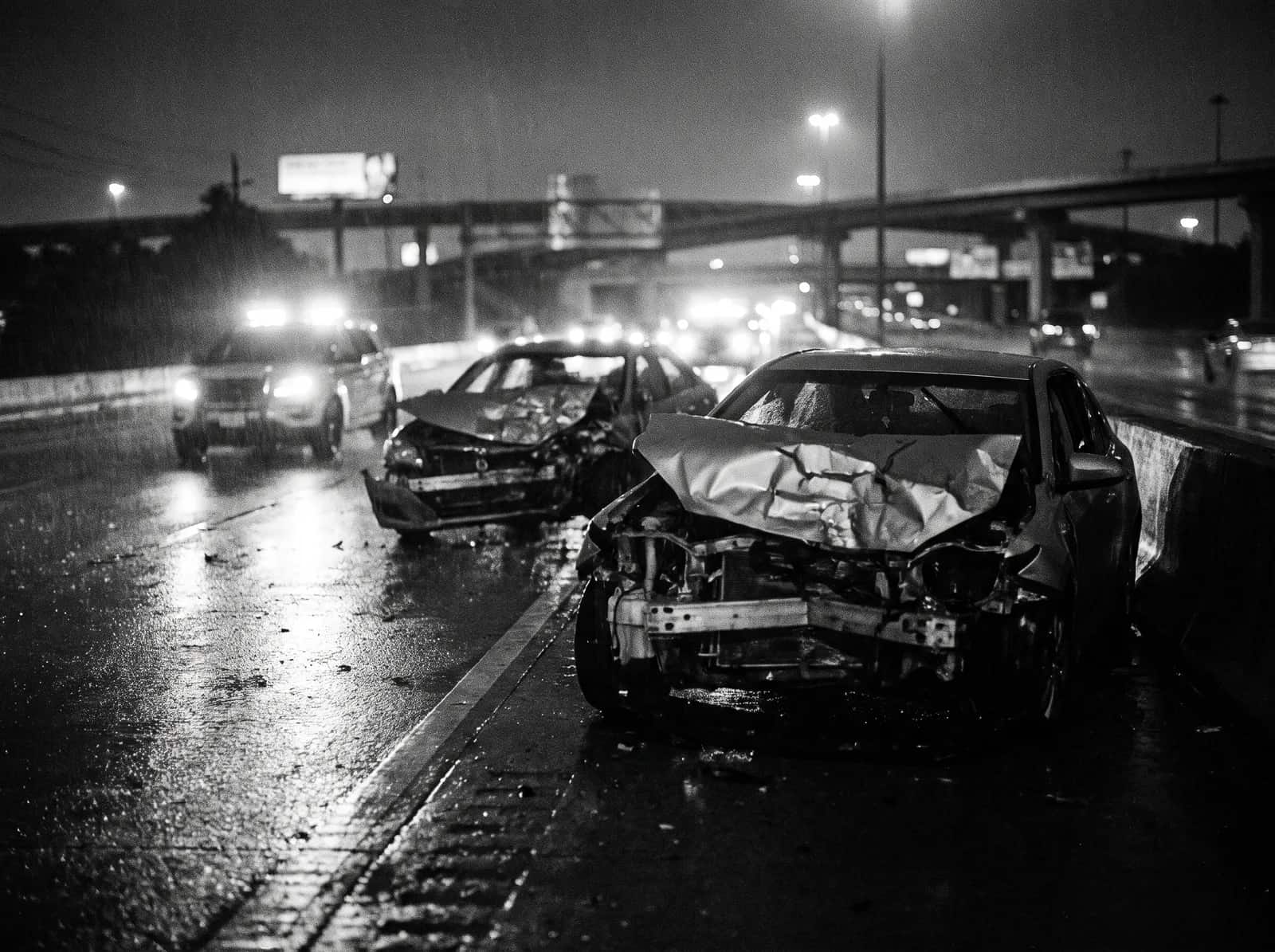

The responsible insurer pays the car’s actual cash value just before the crash, plus taxes and fees as your policy or the law provides, and usually takes the vehicle. You can also claim loss of use for the time reasonably needed to replace it, and challenge a low valuation with comparable sales.
A car is a total loss when repairing it does not make economic sense. Under Transportation Code section 501.091, a vehicle is a salvage motor vehicle when the cost of repairs exceeds its actual cash value immediately before the damage, and its title must be branded salvage or nonrepairable. Insurers may declare a total loss under their own thresholds.
The measure of payment is actual cash value: what your specific car, with its mileage, options, and condition, was worth the moment before the crash. Insurers use valuation reports built from comparable vehicles. Read the report. Wrong trim level, missing options, and comparables from far away or in worse condition are common and fixable errors.
Push back with your own comparables: listings for the same year, make, model, trim, and similar mileage from nearby dealers, plus maintenance records and receipts for recent tires or major repairs. Ask the insurer in writing to correct the valuation.
If you still owe more than the car is worth, the payment goes to your lender first. Gap coverage, if you bought it, pays the difference. You can also recover loss of use for the time reasonably needed to replace the car; the Texas Supreme Court confirmed in J&D Towing v. American Alternative Insurance (2016) that this applies to total losses.
Before the car is towed to auction, photograph it and get personal items out. If anyone was hurt, the vehicle may be key evidence, and a lawyer may need to preserve it and its event data. Owsley Law Firm handles that as part of the injury claim.
What to do, step by step
- Ask for the insurer’s full valuation report.
- Check the report for wrong trim, options, mileage, and condition.
- Gather comparable listings and maintenance receipts.
- Remove personal items and photograph the car before it is moved to auction.
- Claim loss of use until you can reasonably replace the car.

Some people keep a totaled car. If you do, the insurer deducts its salvage value, and the car must be titled as salvage or nonrepairable before it returns to the road.
If the crash caused injuries, the car’s airbag control module may hold speed and braking data. A lawyer can arrange to download it before the car is destroyed.
Sales tax, title, and registration fees are part of replacing a car. Ask the insurer how its offer handles them and get the answer in writing. A settlement that leaves out those costs is incomplete.
Aftermarket equipment, such as a lift kit, custom wheels, or a work rack, may or may not be covered depending on the policy and whether it was disclosed. Keep receipts and photos, and include them with your response to the valuation.
If you disagree with the valuation and your own insurer is paying, many policies include an appraisal clause that lets each side hire an appraiser, with an umpire deciding any difference. Read your policy to see whether it applies.
Mistakes that cost people money
- Accepting the first valuation without reading the report.
- Letting the car go to auction before evidence is preserved in an injury case.
- Forgetting gap coverage on a financed car.
- Ignoring sales tax and fees in the settlement.
Related questions
Can I negotiate a total loss offer?
Yes. Insurers routinely adjust valuations when shown accurate comparables and records.
What if I owe more than the car is worth?
The lender is paid first. Gap insurance, if you have it, covers the difference.
Does a total loss pay for my rental?
Loss of use is recoverable for the time reasonably needed to replace the car, under J&D Towing (2016).
Can I keep my totaled car?
Often yes. The insurer deducts the salvage value from the payment, and the car must be titled as salvage or nonrepairable.
Read next