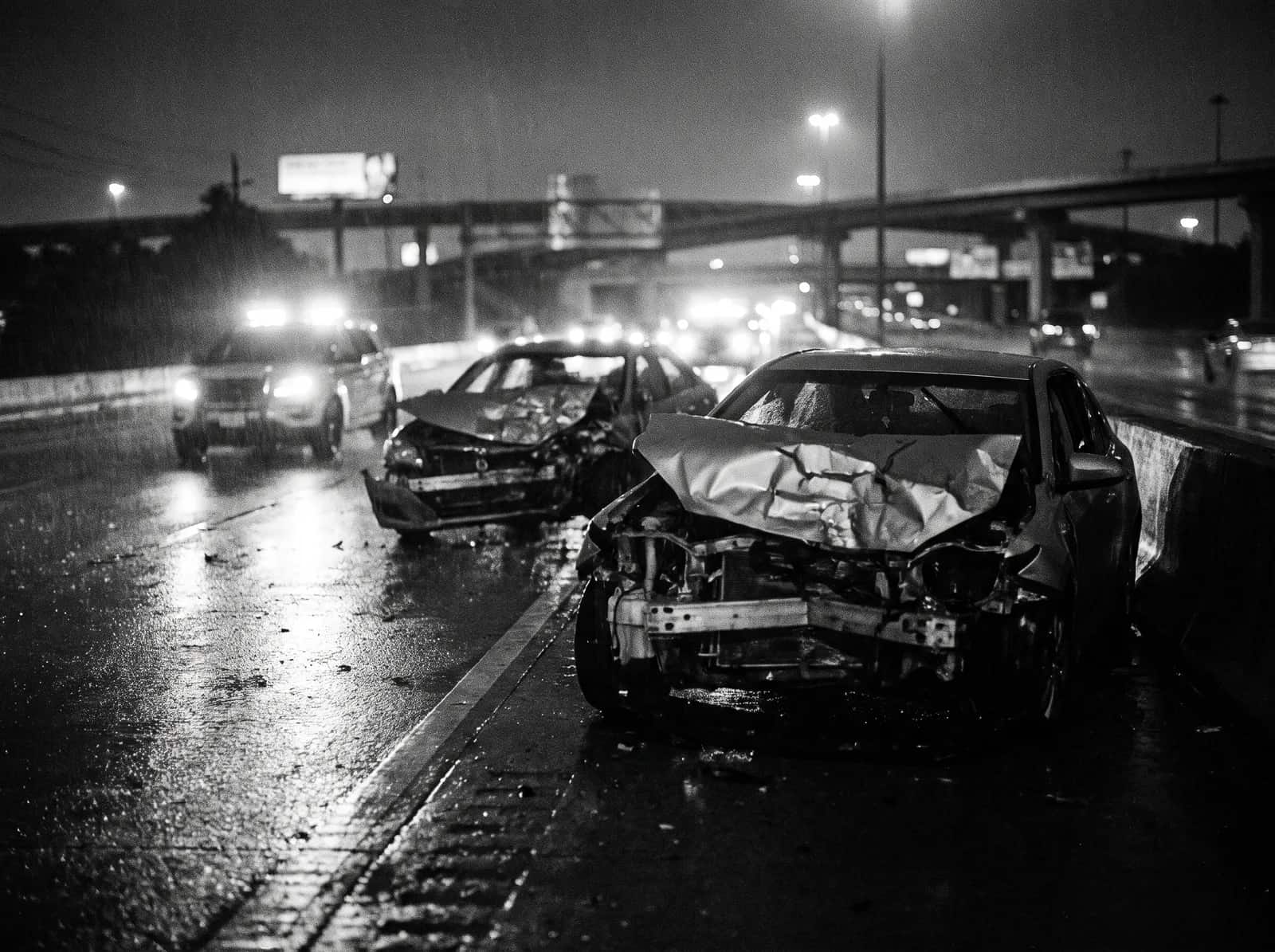

Yes, for your property losses: repairs or the value of a totaled car, a rental or loss of use, and diminished value. Without a physical injury, Texas generally does not allow damages for fear or upset alone, so the claim is about the car and what you lost while it was out of service.
A crash with no injury is still a claim. The at-fault driver is responsible for the damage they caused, and in Texas that is usually paid by their liability insurer under the property damage part of the policy. Texas requires at least $25,000 in property damage coverage under Transportation Code section 601.072.
What you can recover: the reasonable cost of repairs, or the vehicle’s value just before the crash if it is a total loss; loss of use, meaning a rental or the reasonable value of being without the car while it is repaired or replaced (the Texas Supreme Court confirmed in J&D Towing v. American Alternative Insurance in 2016 that loss of use is recoverable even when the car is totaled); diminished value when a repaired car is worth less than before; and personal property damaged in the car, such as a phone or a child seat.
What you generally cannot recover is mental anguish by itself. In Boyles v. Kerr (1993) the Texas Supreme Court held there is no general duty to avoid negligently causing emotional distress, so a fright with no injury does not support a separate award in an ordinary crash case.
Be careful with the word hurt. Soft-tissue injuries, concussions, and disc injuries often show symptoms a day or more later. If anything starts to hurt, get examined before you tell an insurer you were not injured, because that statement will be used against a later injury claim.
The deadline for property damage is the same two years under Civil Practice and Remedies Code section 16.003. Most property-only claims settle without a lawsuit, but if the insurer lowballs the repair estimate or refuses loss of use, a small claim in justice court or a demand letter from a lawyer usually moves it. Owsley Law Firm reviews these at no charge and tells you honestly whether you need a lawyer at all.
What to do, step by step
- Photograph both vehicles, the scene, and any damaged personal property before repairs.
- Get a written repair estimate from a shop you choose.
- Open a claim with the at-fault driver’s insurer and ask whether liability is accepted.
- Track every day without your car and every rental or rideshare receipt.
- Get examined if any pain appears in the days after the crash.
Property claims are also where the other driver’s insurer first decides whether it accepts fault. A clear, documented property claim makes any later injury claim smoother.
If the at-fault driver has no insurance, your own collision or uninsured motorist property damage coverage can pay, subject to the deductibles in your policy.
Fault still matters in a property-only claim. Under Chapter 33 of the Civil Practice and Remedies Code, if the insurer argues you share the blame, your property recovery is reduced by your percentage of fault, and above 50 percent you recover nothing. Photos of the final resting positions, the damage pattern on both cars, and any dash camera footage are what settle that argument in a small claim.
If the at-fault driver has no insurance, your own collision coverage pays less your deductible, or uninsured motorist property damage coverage pays if you bought it. Either way your insurer can then pursue the other driver. If you later learn you were hurt after all, the injury claim is separate, but a release you signed for the car may affect it, so read every release before signing.
Mistakes that cost people money
- Telling an adjuster you were not hurt before any symptoms have had time to appear.
- Signing a release that covers injuries when you are only settling the car.
- Forgetting to claim loss of use for the days without a vehicle.
- Accepting the first repair estimate without a second opinion from your own shop.
Related questions
Can I claim for a car seat damaged in a crash?
Yes. Child safety seat makers generally advise replacing a seat after a moderate or severe crash, and the cost is part of the property claim against the at-fault driver.
Is there a deadline for a property-only claim?
Yes. Civil Practice and Remedies Code section 16.003 gives two years from the crash to file suit for damage to property, the same as for injuries.
Do I need a police report to make a property claim?
No, but it helps. Officers file a report for crashes with injury or $1,000 or more in property damage, and the report number speeds up the insurer’s review.
Read next